Categories
News Profiles

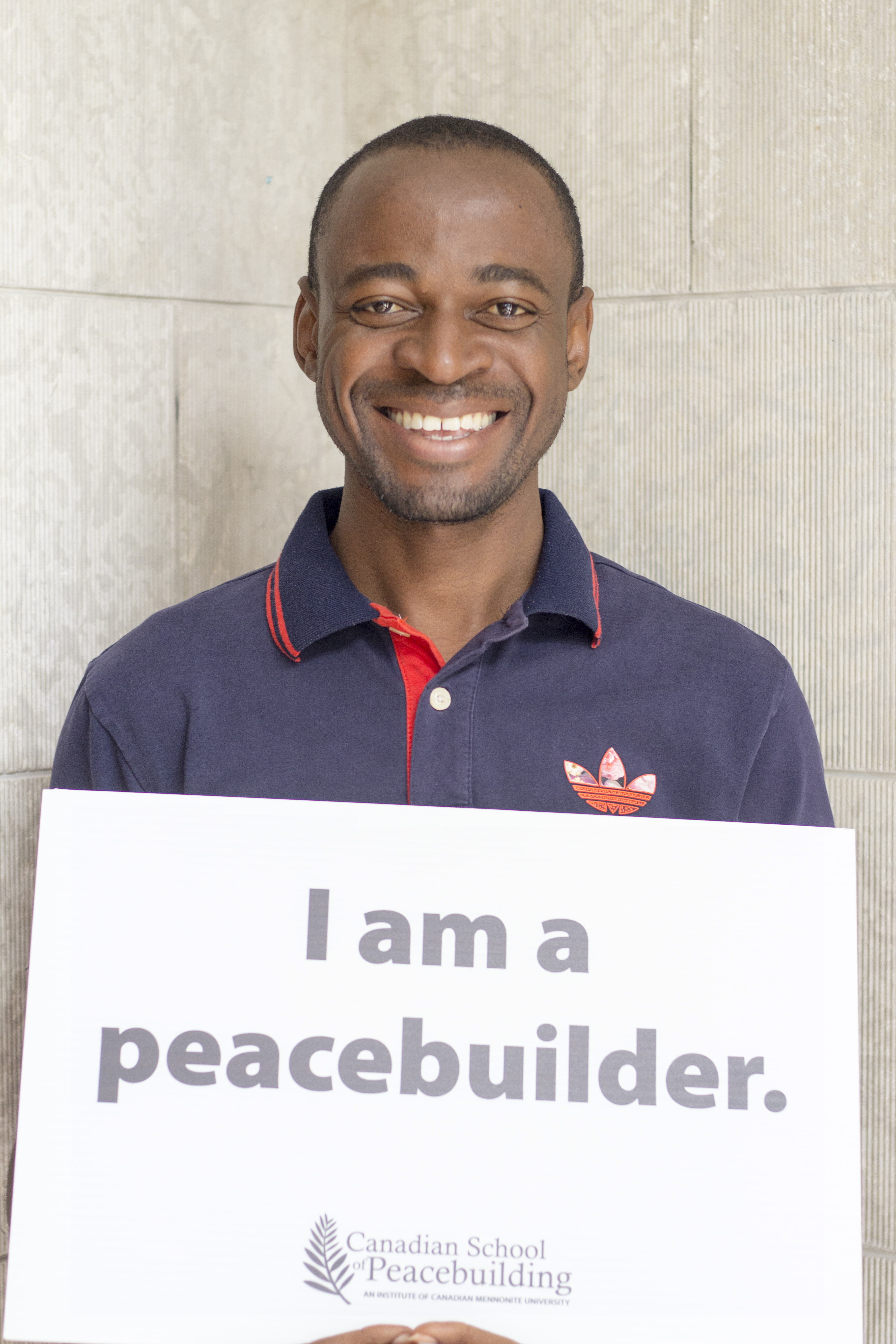
CSOP Participants Profile – Monday Adah Ogbe

By Nicolien Klassen-Wiebe

CSOP inspires Nigerian peacebuilder to reconnect and reflect

It was when Monday Adah Ogbe left his home country and flew across the ocean to attend the 2018 Canadian School of Peacebuilding (CSOP) that he connected with his roots.

Ogbe, 41, is a minister in a Catholic church in Nigeria and works with the non-governmental organization Pax Amor Initiative, which provides clothing and other material resources, health education, gender violence education, and conflict resolution in rural communities in northern Nigeria.

Recently, though, he asked for some time off to reflect on his life and get refreshed. He stumbled across the CSOP while doing a Google search for master’s programs and it quickly became part of his plan. “I just felt I needed peace building,” he says.

Peace has been an ongoing struggle in Ogbe’s life. As a Christian living in a Muslim area of Nigeria, he grew up amidst a lot of conflict. He and his family were attacked and had to flee twice because of Boko Haram, a jihadist terrorist organization. But it’s not just Boko Haram that is the problem. Religious clashes between Christians and Muslims happen time and time again, sometimes just starting from small issues. He says you never know when something little will turn into a crisis.

People are stuck in a cycle of trauma, but Ogbe says they don’t have resources in their community to help them deal with it. “Sometimes I think the church is the only resource where you go, you are consoled, you speak to somebody, you are prayed for. That is the only resource we have for healing trauma,” he says.

That’s why his CSOP class “Trauma, Peacebuilding, and Resilience – Level 1” with Vicki Enns, Clinical Director of the Crisis & Trauma Resource Institute, and Wendy Kroeker, Assistant Professor of Peace and Conflict Transformation Studies at CMU, was so meaningful. “I feel it’s going to be very relevant and useful for me,” he says.

Ogbe also took “Conflict and Development Issues in Indigenous Communities” with Tabitha Martens, an Indigenous rights activist and PhD student studying Indigenous Food Sovereignty. He says he’s going home with a new understanding of his own Indigenous roots and motivation to connect with his roots, where he finds his identity.

He says CSOP’s welcoming atmosphere of openness makes it easy to build friendships. “It was very profound, very deep,” he says. “If I had the opportunity, I’d take all the CSOP courses.”

Ogbe is currently studying for a Master of Arts in International Development Studies at Saint Mary’s University in Halifax, NS.
 

Categories
News Profiles

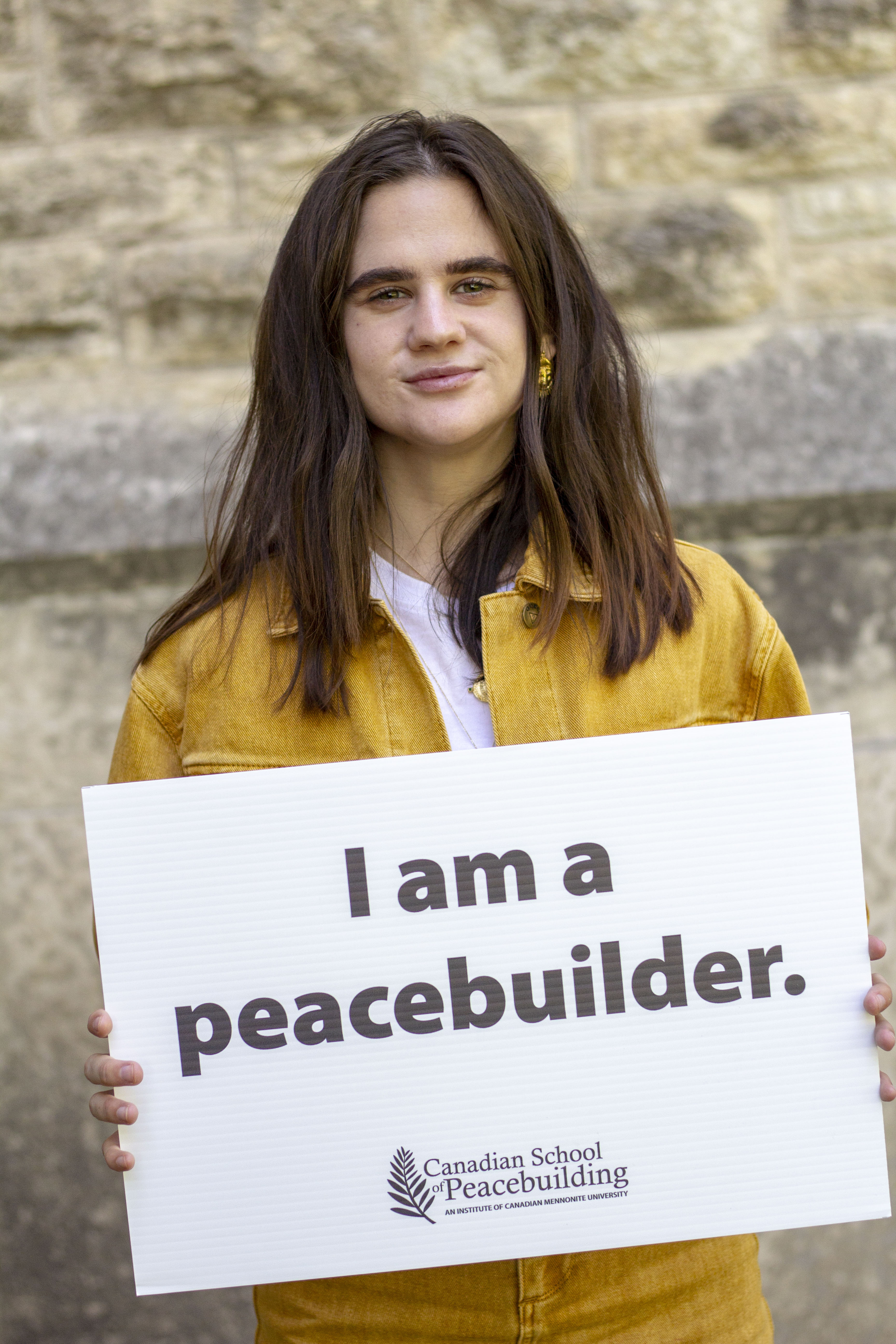
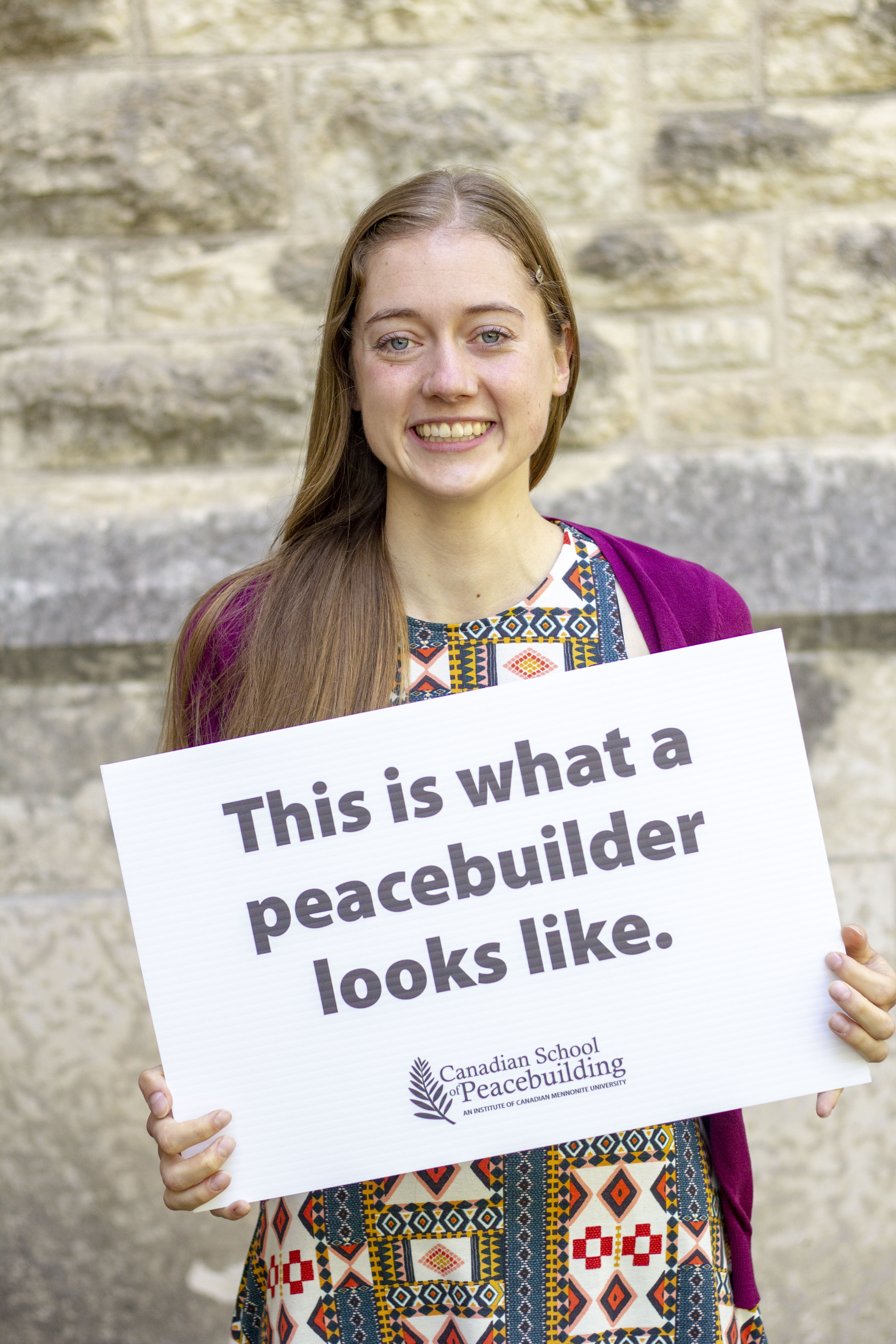
CSOP Participant Profile – Lisa-Marie Hasiuk

By Jonathan Dyck

The CSOP Grows Community of Peacebuilders

“There are not a lot of opportunities like this in the world, where you can have people from all over the world who are all passionate about the same thing,” says Lisa-Marie Hasiuk. Like a lot of students at the Canadian School of Peacebuilding (CSOP), Hasiuk loves the community and the passion for peacebuilding that CSOP, now in its 11th year, brings.

A university student, Hasiuk is an International Development Studies major and has been studying for the last 11 years, due to switching majors. She first heard about CSOP three years ago and was excited to complete her first week of studies with CSOP just this past June.

CSOP sparked a passion for social justice in Hasiuk that she never knew she had. Specifically, it was the course titled “Who is my Neighbor? Ethics in a Bordered World”—taught by Roger Epp, Professor of Political Science at the University of Alberta—that had the biggest impact.

In the future, Hasiuk plans to work one-on-one with people in Indigenous communities. “I think that's where a lot of work needs to happen as opposed to policy change and it has to start at the grass roots,” she says.

She is planning for her future practicum with two people, Michael and Judie Bopp, that she met through the CSOP. “They're people who have done it all. They're doing a lot of work in Indigenous communities and I want to become involved.” Had it not been for the CSOP program, Hasiuk would not have discovered her passion for social justice, nor would she have met the Bopps and thus developed a network through which to pursue her calling to work with Indigenous communities.

Categories
News Profiles

CSOP Participant Profile – Carol McNaughton

by Nicolien Klassen-Wiebe

Peacebuilding across borders

Travel inspires young peacebuilder to attend the CSOP

Carol McNaughton spent a semester in South Africa with Outtatown, Canadian Mennonite University’s (CMU) discipleship program, and has dedicated herself to peacebuilding ever since.

“I did Outtatown right after high school and that kind of sucked me into the Mennonite world I would say.” She began working at Camp Valaqua, a Mennonite camp in Alberta, and participated in Mennonite Central Committee (MCC) programs like Serving and Learning Together, where she spent a year in Cambodia. The 25-year-old now works full-time as the Peace Program Coordinator at MCC Alberta.

It was on Outtatown that McNaughton first heard about the Canadian School of Peacebuilding (CSOP). She took a course shortly afterwards and enjoyed it so much that she returned for more.

This past June she took the CSOP class “Who is my Neighbour? Ethics in a Bordered World” with Roger Epp, Professor of Political Science at the University of Alberta. “I’ve really enjoyed it,” she says. She’s excited to dig further into what they discussed, like the question of who your neighbour is and how to approach ethics if everyone is your neighbour, not just the person who lives next door.

“I chose this course because it felt like it was more out of my comfort zone in some ways … this one was more new to me,” says McNaughton, who has a degree from the University of Calgary in Social Work with a minor in Dance. It was also the themes of neighbours and borders that drew her to the course, as her trip to Israel Palestine two weeks earlier on an MCC learning tour had left the image of the wall cutting through Israel Palestine sharp in her memory.

McNaughton had visited once before, but as a tourist. “I spent most of my time in Israel, [I] hadn’t been to Palestine really,” she says. “It was intense both physically and emotionally to hear those stories but also energizing and inspiring to hear directly from people who are working toward peace and justice.”

A lot of things from the CSOP will stay with McNaughton, but one sticks out in particular. “People at CSOP come from all over the world. That is really the amazing thing about CSOP, is you meet up in a classroom with those different perspectives,” she says.

“Just having that inspiration of having a community of peacebuilders that, even when it doesn’t seem practical in some ways, are still committed that we have to keep caring and we have to keep working through these things to best love our neighbours.”

Categories
News Profiles

CSOP Participant Profile – Andrea De Avila

by Jonathan Dyck

From Mexico to America to Canada: Trauma and Pastoring

“I found out about CSOP (Canadian School of Peacebuilding) through CMU (Canadian Mennonite University) and everyone I knew. They all said it was a great program,” Andrea De Avila says.

Andrea De Avila’s life story begins in Mexico. “I grew up as a Quaker and was only one in a thousand Quakers in Mexico. The faith and tradition that was passed down to me has meant a lot to me.”

“Our family moved to another city closer to the Mexican border, where we tried out multiple different churches and finally my dad discovered a Mennonite church,” she says. “He only knew Mennonites as people who ‘sold cheese’ at that point.”

This was De Avila’s first connection to the Mennonite community. Later she attended Eastern Mennonite University (EMU) in Virginia, got married, and moved to Winnipeg.

De Avila, 27 years old, is now the Associate Pastor at Sargent Mennonite Church in Winnipeg. “My reason for joining CSOP was to learn from different profs and to immerse myself in the world of peacebuilding,” she says. She feels the class she took at the 2018 CSOP—Trauma, Peacebuilding, and Resilience – Level 1— is relevant to her work. “As a pastor, people trust you, and because of that a lot of people tell you their stories of trauma and resilience.”

De Avila feels it is crucial to learn about peacebuilding and help people through trauma they experience through witnessing violence. This is exactly what Vicki Enns, Clinical Director of the Crisis & Trauma Resource Institute, and Wendy Kroeker, Assistant Professor of Peace and Conflict Transformation Studies at CMU, equipped students to do in their class. “I learned very practical ways of grappling with trauma and finding a centering point,” says De Avila.

In her class, De Avila talked about the conflicts behind the United States election and how it related to peacebuilding. “Something that I reflected on in class was that there were two different ways of interpreting the last U.S. election. Something important to know about the CSOP program is that they do not have any biases on anything. When they discuss the 2016 election, they do not do it with an “anti-Trump” agenda … but rather they examine both sides and try to rationalize why people support Trump.” “On one hand there is hearing people's fears, and on the other hand, there was inviting people to listen to that discontent.” CSOP is very informative in terms of understanding why the world is the way it is and presenting it in a way that doesn’t have any biases.

What Andrea learned through her CSOP studies will always be important to her, not just in her work as a pastor, but also in her understanding of the world around her.

Categories
Resources

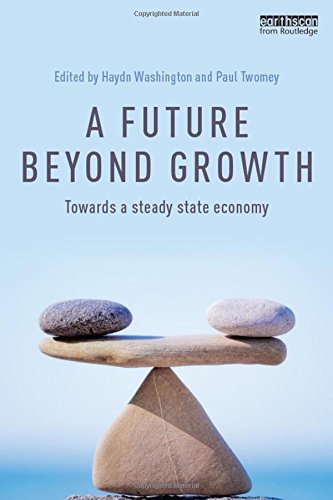
A Future Beyond Growth: Towards a steady state economy

By Haydn Washington (Editor) and Paul Twomey (Editor)

With a chapter by James Magnus-Johnston

There is a fundamental denial at the centre of why we have an environmental crisis – a denial that ignores that endless physical growth on a finite planet is impossible. Nature provides the ecosystem services that support our civilisation, thus making humanity unavoidably dependent upon it. However, society continues to ignore and deny this dependence.

A Future Beyond Growth explores the reason why the endless growth economy is fundamentally unsustainable and considers ways in which society can move beyond this to a steady state economy. The book brings together some of the deepest thinkers from around the world to consider how to advance beyond growth. The main themes consider the deep problems of the current system and key aspects of a steady state economy, such as population; throughput and consumerism; ethics and equity; and policy for change. The policy section and conclusion bring together these various themes and indicates how we can move past the growth economy to a truly sustainable future.

https://www.amazon.ca/Future-Beyond-Growth-Towards-economy/dp/1138953016

Categories
Resources

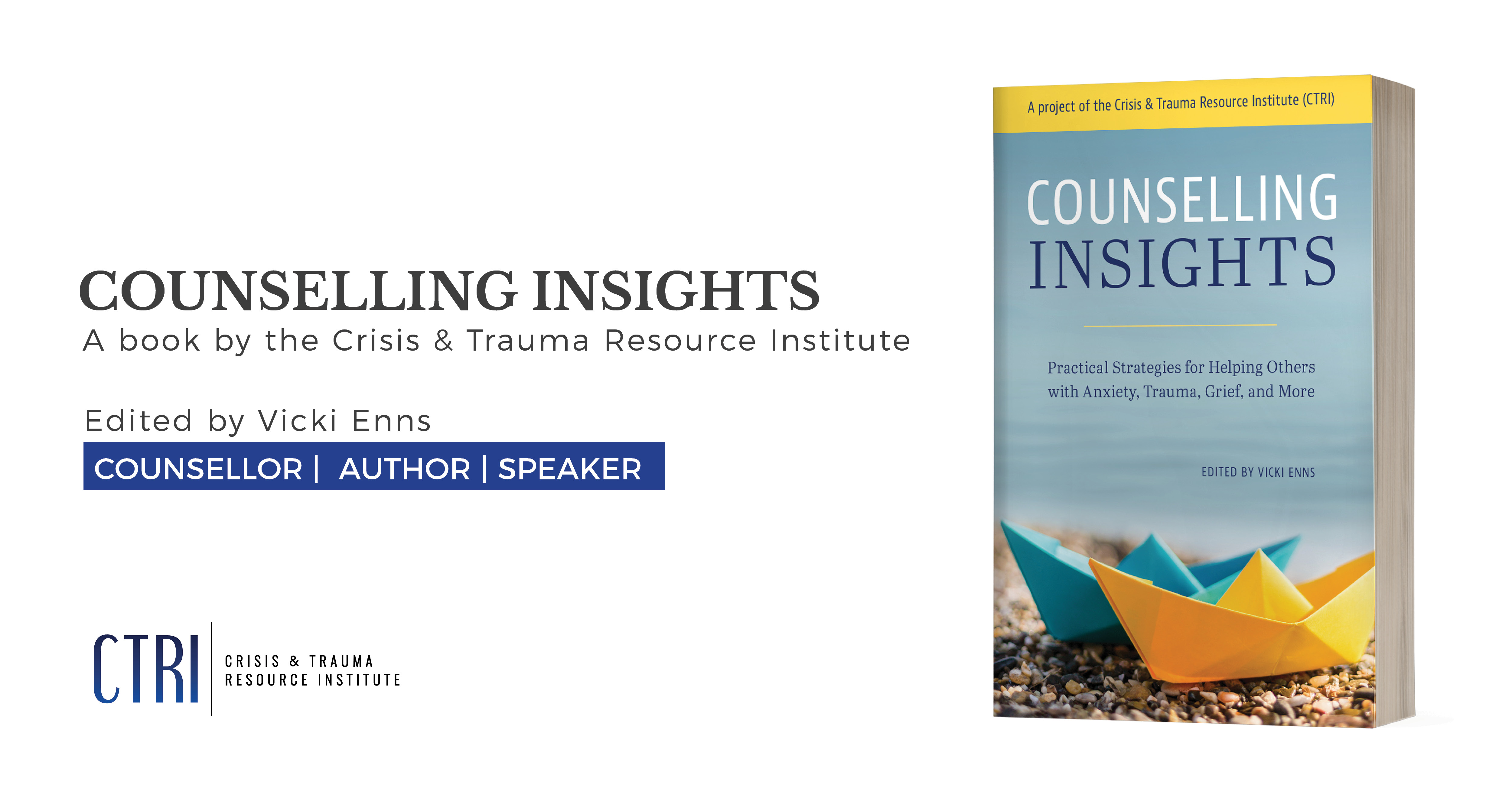
Counselling Insights: Practical Strategies for Helping Others with Anxiety, Trauma, Grief, and More

Edited by Vicki Enns

The Crisis and Trauma Resource Institute (CTRI), one of CSOP’s partners, has just published a new book called “Counselling Insights: Practical Strategies for Helping Others with Anxiety, Trauma, Grief, and More” edited by CSOP instructor Vicki Enns. This book is a resource for clinical counselors as well as those who work as frontline care providers in health care, social work, education, social services, and spiritual care. It provides practical strategies, case studies, and insights from the authors’ own experiences that speak to a variety of psychological issues. Find more information about this great resource on CTRI’s website: https://ca.ctrinstitute.com/product/counselling-insights-book/

Categories
Resources

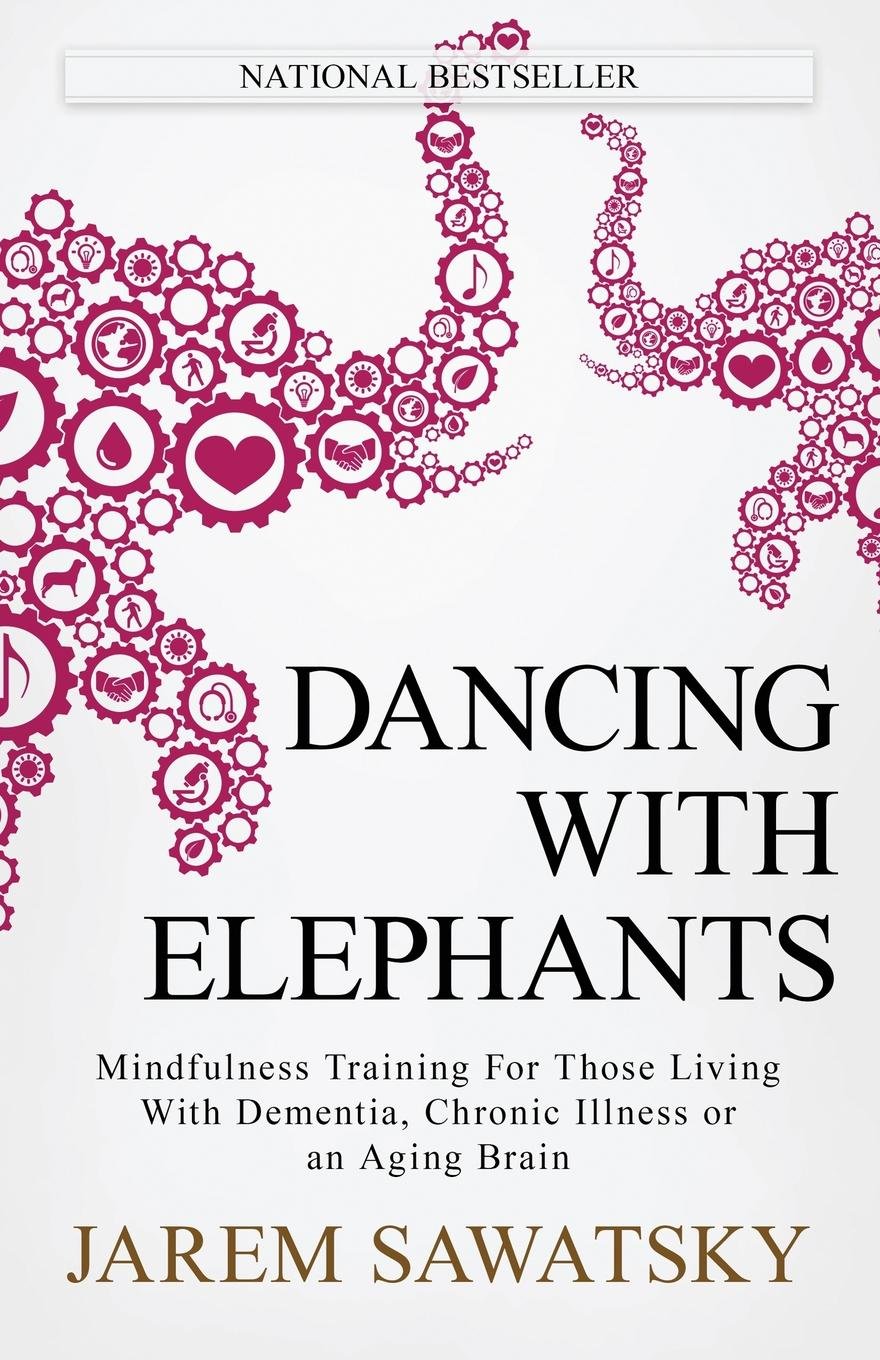
Dancing with Elephants: Mindfulness Training For Those Living With Dementia, Chronic Illness or an Aging Brain

By Jarem Sawatsky

Want to enjoy the life you are living, even as you face major life challenges? Is your mind succumbing to age? Is your body failing you? Can you ever find joy, peace, or fulfillment in these challenging conditions? The answer is a resounding YES.
Jarem Sawatsky saw the countless guides out there for those caring for the ill and healing the curable, but when he was diagnosed with Huntington's Disease he found there was nothing for those living with incurable illness. He quit his job as a professor and devoted his life to exploring the possibilities of living with chronic conditions. Now he's bringing his findings and insights to you.

In Dancing With Elephants you'll discover:

  • Simple practices to bring healing to your heart and life to your new outlook
  • Humorous (and occasionally heart-wrenching) stories of Sawatsky's own journey
  • Multiple ways to build confidence in yourself, even when you've been shaken to the core
  • A new perspective to transform your pain and renew your spirit
  • Practical tools to face your seemingly inescapable fears, and much, much more!

Based on the popular blog of the same name, Dancing With Elephants includes insightful interviews with chronic disease experts Jon Kabat-Zinn, Lucy Kalanithi, and Patch Adams. Sawatsky's landmark book provides support that only a fellow traveler down this road can offer.

https://www.amazon.com/Dancing-Elephants-Mindfulness-Training-Dementia/dp/0995324204

Categories
Resources

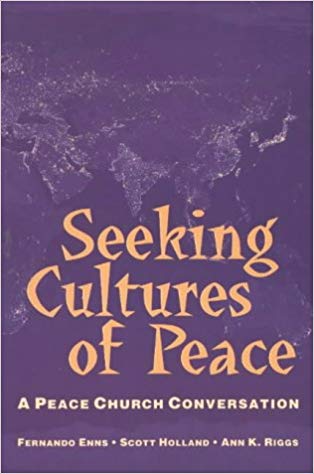
Seeking Cultures of Peace: A Peace Church Conversation

By Fernando Enns (Editor), Scott Holland (Editor), and Ann Riggs (Editor)

The essays in this book represent a contribution of the Historic Peace Churches (HPC) to the work of the World Council of Churches' Decade to Overcome Violence. They are divided into four sections: the first introduces the ecumenical context of this discussion, the history of HPC relations, and the globalized reality in which contemporary violence occurs. The second is written from three geo-social settings and engages the notion of globalization from three viewpoints: biblical studies, theological ethics and historiography. The third section engages the gospel and our traditions within the contexts of HPC communities in North America, Nigeria and Colombia. And the fourth discusses resources in HPC tradition for action, reflection and critique in building a future of justice and peace. An appendix reproduces a statement prepared at a 2001 consultation of interested members of the Brethren, Quaker and Mennonite communities, entitled Just Peace-making: Towards an Ecumenical Ethical Approach from the Perspective of the Historic Peace Churches. A Study Paper for Dialogue with the Wider Church.

https://www.amazon.com/Seeking-Cultures-Peace-Church-Conversation/dp/2825414026

Categories
Resources

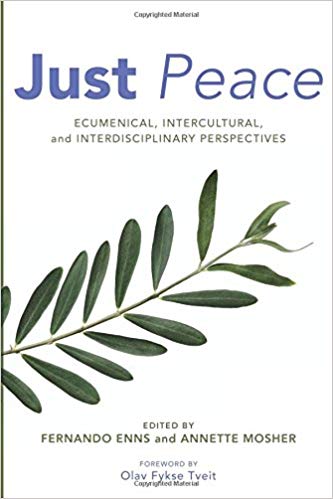
Just Peace: Ecumenical, Intercultural, and Interdisciplinary Perspectives

By Fernando Enns (Editor) and Annette Mosher (Editor)

Christian theology and ethics have wrestled with the challenge to apply Jesus's central message of nonviolence to the injustices of this world. Is it not right to defend the persecuted by using violence? Is it unjust if the oppressed defend themselves-if necessary by the use of violence-in order to liberate themselves and to create a more just society? Can we leave the doctrine of the just war behind and shift all our attention toward the way of a just peace? In 2011 the World Council of Churches brought to a close the Decade to Overcome Violence, to which the churches committed themselves at the beginning of the century. Just peace has evolved as the new ecumenical paradigm for contemporary Christian ethics. Just peace signals a realistic vision of holistic peace, with justice, which in the concept of shalom is central in the Hebrew Bible as well as in the gospel message of the New Testament. This paradigm needs further elaboration. VU University gathered peacebuilding practitioners and experts from different parts of the world (Africa, Latin America, North America, Asia, and Europe) and from different disciplines (anthropology, psychology, social sciences, law, and theology)-voices from across generations and Christian traditions-to promote discussion about the different dimensions of building peace with justice.

https://www.amazon.com/Just-Peace-Intercultural-Interdisciplinary-Perspectives/dp/1620323621

Categories
Resources

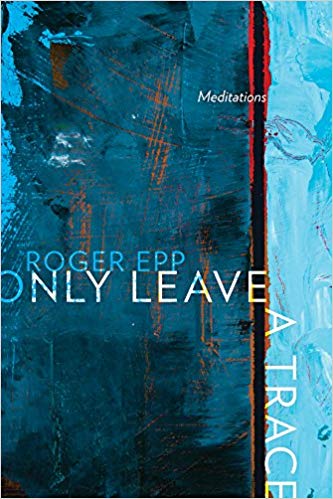
Only Leave a Trace: Meditations

By Roger Epp

Roger Epp's poetic meditations about the minor miracles, the difficulties, and the loneliness of leading a small university campus through a time of significant change are depicted in a series of elegant yet understated prose pieces, illustrated by his life partner, Rhonda Harder Epp. Taking a candid look at the many challenges such a position brings, Roger Epp humanizes, scrutinizes, and upholds the integrity of academic administrative work. Only Leave a Trace will appeal to those who work in universities, hold leadership roles in them, or care about the connections between higher education, students, and place.

https://www.amazon.com/Only-Leave-Trace-Roger-Epp/dp/1772122661